Ditch the January 1st Reinvention: Why 'Nothing Changes' is a Powerful Mindset
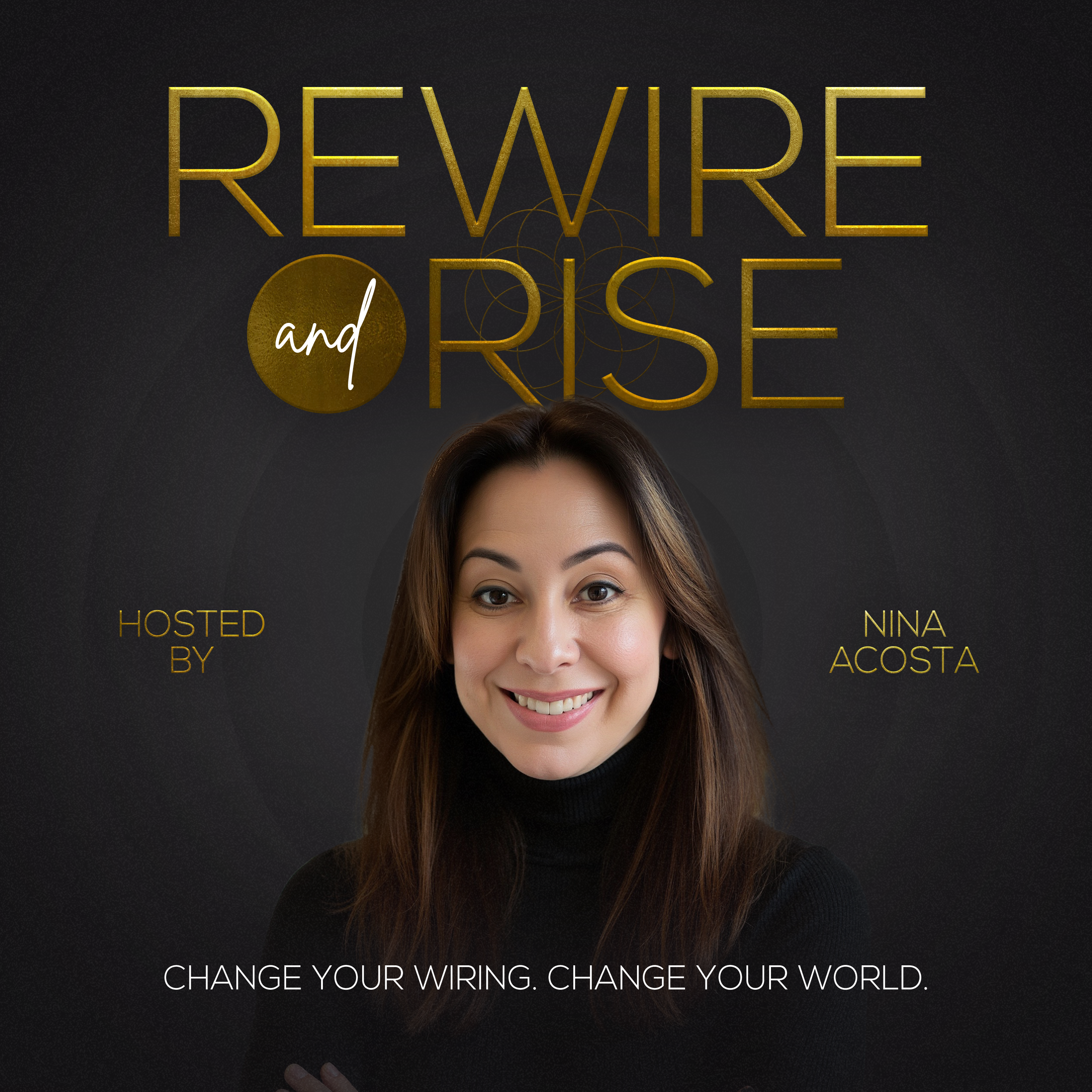
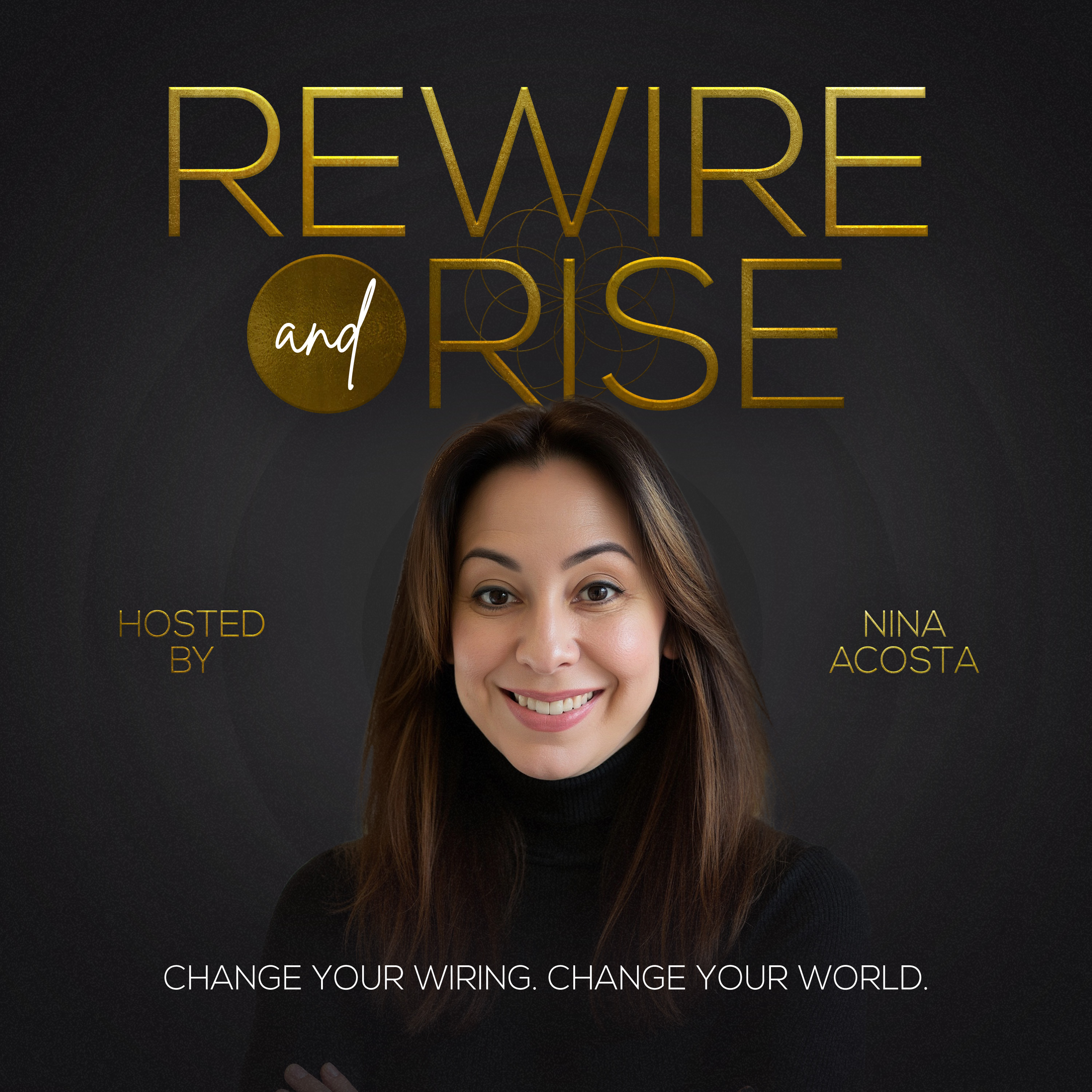
Every year, as the clock ticks down to midnight on December 31st, a collective anticipation fills the air. We stand on the precipice of a new year, a blank slate shimmering with the promise of transformation. We eagerly craft resolutions, envisioning ourselves as fitter, more productive, and altogether "better" versions of ourselves. But what if this relentless pursuit of a January 1st reinvention is actually setting us up for disappointment? What if the key to lasting growth lies in accepting that, on a fundamental level, nothing changes on January 1st? This post delves into the unrealistic expectations surrounding New Year's resolutions and explores why embracing the idea that 'nothing changes' can be a liberating path towards sustainable personal growth, free from the shackles of self-criticism. It's a topic we explored in depth on the latest episode of the Rewire and Rise podcast, Nothing Changes Today And That’s the Point, so be sure to give it a listen for even more insights!
The Myth of the January 1st Transformation
The myth of the January 1st transformation is deeply ingrained in our culture. It's fueled by marketing campaigns promising quick fixes, weight loss challenges guaranteeing overnight results, and the pervasive belief that the start of a new year is the perfect time to completely overhaul our lives. We're bombarded with messages telling us to "new year, new you," implying that our current selves are somehow inadequate and in need of a drastic makeover.
This narrative is incredibly appealing because it taps into our desire for progress and self-improvement. We all want to be better versions of ourselves, and the idea of a fresh start seems like the perfect opportunity to make that happen. However, the reality is that lasting change rarely occurs overnight. It's a gradual process that requires sustained effort, patience, and self-compassion. The pressure to transform ourselves instantaneously on January 1st often leads to unrealistic expectations and inevitable disappointment.
The Pressure to Reset and Restart
The pressure to reset and restart is immense. We feel obligated to shed our old habits, adopt new routines, and completely revamp our lifestyles. This pressure can manifest in various ways, from setting overly ambitious fitness goals to committing to elaborate productivity systems that we ultimately fail to maintain. Social media amplifies this pressure, as we're constantly exposed to curated images of people who appear to be effortlessly achieving their New Year's resolutions.
This constant barrage of "perfect" transformations can lead to feelings of inadequacy and self-doubt. We begin to compare ourselves to others, judging our own progress against their seemingly flawless achievements. The fear of failure looms large, making us hesitant to even begin pursuing our goals. The pressure to reset and restart can quickly become overwhelming, leading to burnout and a sense of hopelessness.
Nothing Actually Changes on January 1st (And That's Okay)
Here's the truth: nothing actually changes on January 1st. The calendar flips over, but our habits, beliefs, and ingrained patterns remain largely the same. We're still the same people with the same strengths, weaknesses, and challenges. Our capacity is the same. And that's perfectly okay. In fact, accepting this reality can be incredibly liberating.
Instead of viewing January 1st as a magical reset button, we can see it as just another day – an opportunity to continue working towards our goals, one small step at a time. By releasing the pressure to transform ourselves overnight, we can approach personal growth with greater patience and self-compassion. We can acknowledge that setbacks are inevitable and that progress is rarely linear. The realization that nothing fundamentally changes allows us to focus on building sustainable habits and cultivating a growth mindset.
Self-Violence in Growth Culture
The relentless pursuit of self-improvement can sometimes veer into self-violence. This occurs when we become overly critical of ourselves, constantly berating our flaws and shortcomings. We set impossibly high standards and punish ourselves when we inevitably fall short. This self-inflicted violence can manifest in various forms, such as negative self-talk, obsessive dieting, and excessive exercise.
Growth culture often promotes this self-violent approach by emphasizing the need for constant optimization and relentless self-improvement. We're encouraged to "hustle" and "grind" our way to success, often at the expense of our mental and physical well-being. This mindset can be incredibly damaging, leading to burnout, anxiety, and a distorted sense of self-worth. It's crucial to recognize when our pursuit of growth is becoming self-destructive and to prioritize self-compassion and self-care instead.
The Illusion of Clean Slates
The concept of a "clean slate" is alluring, but ultimately an illusion. We can't simply erase our past experiences, mistakes, or ingrained patterns. Our past shapes who we are today, and it's important to acknowledge and learn from our experiences, rather than trying to pretend they never happened. The belief in a clean slate can also lead to unrealistic expectations and disappointment.
Instead of striving for a clean slate, we should focus on building upon our existing foundations. We can acknowledge our past mistakes, learn from them, and use them as opportunities for growth. We can also identify our strengths and build upon them, rather than focusing solely on our weaknesses. Embracing our past, with all its imperfections, is essential for cultivating self-acceptance and building a more authentic and fulfilling life.
Entering the New Year Without Self-Criticism
Entering the new year without self-criticism is essential for fostering a positive and sustainable approach to personal growth. This involves practicing self-compassion, treating ourselves with kindness and understanding, especially when we make mistakes or experience setbacks. It also involves challenging our negative self-talk and replacing it with more supportive and encouraging messages. Instead of berating ourselves for our flaws, we can acknowledge them with acceptance and focus on making small, gradual improvements.
Self-compassion allows us to approach personal growth with greater resilience and motivation. When we're kind to ourselves, we're more likely to persevere through challenges and to view setbacks as learning opportunities, rather than failures. Entering the new year without self-criticism also involves setting realistic expectations and focusing on progress, rather than perfection. We can celebrate our small victories and acknowledge our efforts, regardless of the outcome.
Change Without Punishment: A Sustainable Approach
Sustainable change is change without punishment. It's about making gradual, incremental improvements without resorting to harsh self-criticism or restrictive measures. This approach emphasizes self-compassion and self-acceptance, allowing us to make progress at our own pace, without feeling overwhelmed or discouraged. Change without punishment involves setting realistic goals, breaking them down into smaller, manageable steps, and celebrating our progress along the way.
It also involves allowing ourselves to make mistakes and learn from them, without dwelling on our failures. Sustainable change is about building positive habits and routines that we can maintain over the long term, rather than relying on short-term fixes or drastic measures. This approach requires patience, persistence, and a willingness to embrace imperfection. It's about creating a lifestyle that supports our well-being, rather than punishing ourselves for not meeting unrealistic expectations.
Momentum Without Self-Betrayal
Momentum without self-betrayal is about making progress towards our goals in a way that aligns with our values and respects our boundaries. It's about honoring our needs and prioritizing our well-being, even as we strive to achieve our aspirations. This approach recognizes that self-care is not selfish, but essential for sustainable success. It involves setting boundaries to protect our time and energy, saying no to commitments that drain us, and prioritizing activities that nourish our minds, bodies, and spirits.
Momentum without self-betrayal also involves being mindful of our inner critic and challenging any negative self-talk that undermines our confidence or motivation. It's about trusting our intuition and making choices that feel authentic and aligned with our true selves. This approach requires self-awareness, self-compassion, and a commitment to honoring our own needs and values, even when it's challenging. It's about creating a life that feels fulfilling and sustainable, rather than sacrificing our well-being in pursuit of external validation or achievement.
Conclusion: Embracing the 'Nothing Changes' Mindset for Lasting Growth
The pressure to reinvent ourselves on January 1st is often counterproductive, leading to unrealistic expectations, self-criticism, and ultimately, discouragement. By embracing the idea that "nothing changes" on January 1st, we can liberate ourselves from this pressure and adopt a more sustainable approach to personal growth. This mindset allows us to focus on making gradual, incremental improvements, cultivating self-compassion, and building positive habits that we can maintain over the long term. Remember, lasting change is a journey, not a destination. It requires patience, persistence, and a willingness to embrace imperfection. So, ditch the January 1st reinvention and embrace the power of "nothing changes" for a more fulfilling and sustainable path to personal growth. And don't forget to check out the full conversation on this topic in our latest episode of the Rewire and Rise podcast, Nothing Changes Today And That’s the Point. We hope this blog post and the episode provide you with the tools and mindset to navigate the new year with greater self-compassion and sustainable momentum.
 Apple Podcasts
 Spotify
 Pandora
 iHeartRadio
 Goodpods
 PocketCasts