Actionable Strategies for Liberation: Releasing the Old You
Welcome back to the blog! In our latest episode, ⭐ Who You Used to Be Cannot Lead Where God Is Taking You Next, we dove deep into the idea that mindset alone isn't always enough to unlock our full potential. We explored the importance of dismantling old identities – the ones we've built out of survival, fear, and past experiences – to truly step into the next chapter of our lives. This blog post expands on those concepts, providing actionable strategies you can use to release the "old you" and align with your authentic self. We'll explore how these limiting identities hold us back, and more importantly, how to break free from them. Get ready to embark on a journey of self-discovery and genuine growth.
If you haven't had a chance to listen to the episode yet, I highly encourage you to do so. Here's a quick recap of what we covered:
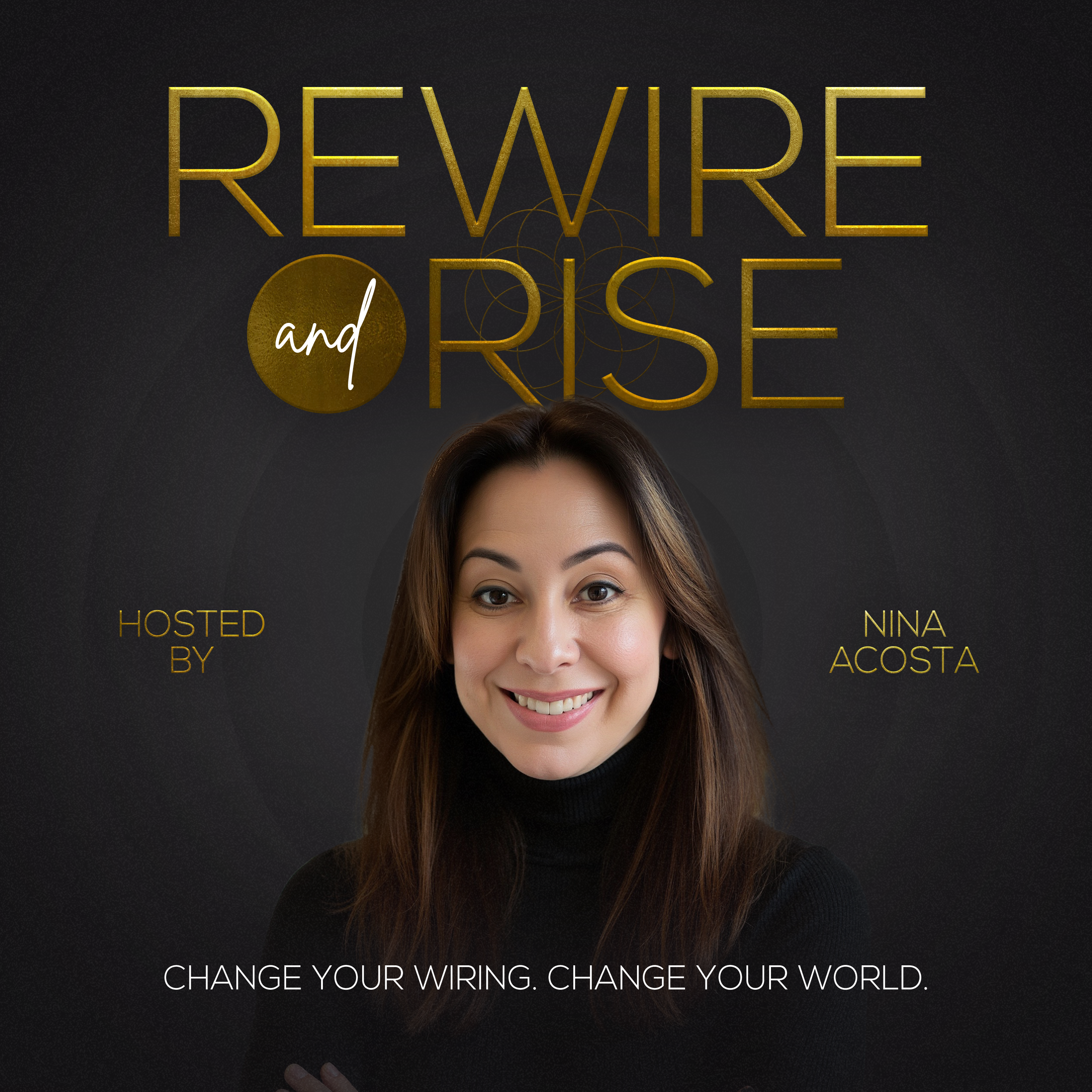
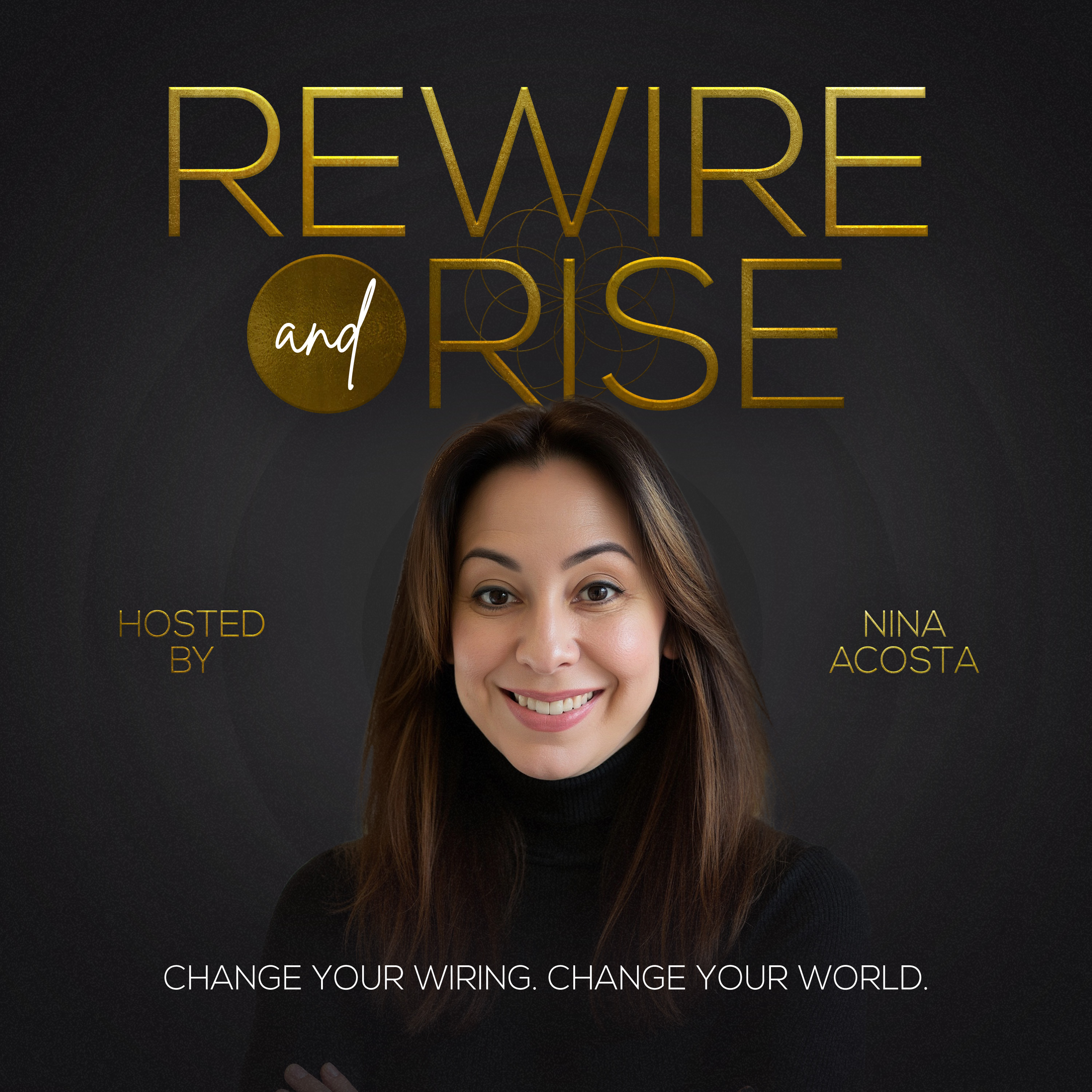
This podcast, "Rewire & Rise," challenges the idea that mindset alone is enough, focusing instead on dismantling old identities rooted in survival patterns. Host Nina Acosta guides listeners to break free from these limiting identities and align with their true potential, offering actionable strategies for liberation and genuine growth. It's for high performers and leaders ready to build a life from alignment rather than fear.
Introduction: Beyond Mindset - Why We Need to Release the Old You
For years, we've been told that mindset is everything. Affirmations, visualization, and positive thinking are undoubtedly powerful tools. However, they often fall short when we're operating from a foundation built on old, outdated identities. Think of it like trying to build a skyscraper on a crumbling foundation. No matter how beautiful the skyscraper is, its stability is compromised by what lies beneath.
The "old you" represents the collection of beliefs, behaviors, and identities we've adopted throughout our lives, often as coping mechanisms or survival strategies. These identities served a purpose at one point, perhaps protecting us from emotional pain, social rejection, or even physical danger. But as we grow and evolve, these identities can become prisons, limiting our potential and preventing us from living authentically.
Trying to manifest a new reality with an old identity is like trying to fit a square peg into a round hole. There will always be resistance, friction, and a sense of incongruence. That's why releasing the old you is crucial. It's about clearing the space, removing the obstacles, and creating a solid foundation for the new, improved version of yourself to emerge.
Understanding Limiting Identities and Survival Patterns
Limiting identities are the stories we tell ourselves about who we are, what we're capable of, and what we deserve. These identities are often formed in childhood, based on our experiences, interactions with others, and the messages we internalized. For example, someone who was constantly criticized as a child might develop a "not good enough" identity, leading them to constantly seek external validation and struggle with self-doubt.
These identities are often intertwined with survival patterns, which are unconscious behaviors and reactions we develop to protect ourselves from perceived threats. These patterns might have been essential for survival in the past, but they can become detrimental in the present. For instance, someone who grew up in a chaotic environment might develop a pattern of people-pleasing to avoid conflict. While this pattern might have helped them survive their childhood, it can lead to resentment, burnout, and a lack of authenticity in their adult relationships.
It's important to recognize that these identities and patterns are not inherently bad. They served a purpose. However, when they become rigid and unyielding, they can hold us back from living our best lives. To break free, we need to understand how these identities were formed, what purpose they served, and how they are currently impacting our lives.
The Pitfalls of Leading from Fear Instead of Alignment
When we operate from our limiting identities and survival patterns, we're essentially leading from fear. We're making choices based on what we think we "should" do, what others expect of us, or what will keep us safe and comfortable. This fear-based approach can manifest in various ways, such as:
- Procrastination: We avoid taking action because we're afraid of failure or judgment.
- Perfectionism: We strive for unattainable standards to avoid criticism or rejection.
- People-pleasing: We prioritize the needs of others over our own to avoid conflict or disapproval.
- Self-sabotage: We undermine our own success because we don't believe we deserve it.
- Staying in our comfort zone: We avoid taking risks or pursuing our dreams because we're afraid of the unknown.
Leading from fear leads to a life of compromise, resentment, and unfulfillment. We're constantly living in a state of anxiety, trying to control everything and avoid pain. This is in stark contrast to leading from alignment, which means making choices that are in harmony with our values, purpose, and authentic self. When we're aligned, we feel a sense of flow, ease, and joy. We're no longer driven by fear, but by inspiration, passion, and a deep sense of purpose.
Actionable Strategies for Dismantling Old Patterns
Now, let's dive into the practical steps you can take to dismantle those old patterns and release the old you:
Step 1: Identifying Your Limiting Identities
The first step is to become aware of your limiting identities. What are the stories you tell yourself about who you are? What labels do you use to describe yourself? Some common limiting identities include:
- "I'm not good enough."
- "I'm not worthy of love."
- "I'm not capable of success."
- "I'm not smart enough."
- "I'm not attractive enough."
- "I'm a failure."
- "I'm unlovable."
Take some time to reflect on your life and identify the recurring themes and patterns. What are the negative beliefs that keep popping up? What are the things you consistently tell yourself you can't do? Write down all the limiting identities that resonate with you.
Pay attention to the language you use when you talk about yourself. Do you use self-deprecating humor? Do you constantly compare yourself to others? Do you downplay your accomplishments? These are all signs of underlying limiting identities.
Step 2: Understanding the Root of These Identities
Once you've identified your limiting identities, the next step is to understand where they came from. What experiences in your past contributed to the formation of these beliefs? Who told you these things about yourself? What were the circumstances surrounding those messages?
Often, limiting identities are rooted in childhood experiences. Perhaps you were criticized by your parents, bullied by your peers, or experienced trauma. These experiences can leave deep scars, shaping your beliefs about yourself and the world. It's important to remember that these beliefs were formed in the past, and they may no longer be relevant or accurate in the present.
Consider journaling about your experiences. Write about the specific events that you believe contributed to your limiting identities. Explore your feelings about those events. What emotions come up for you? Allowing yourself to feel and process these emotions is an important part of the healing process.
Step 3: Challenging and Reframing Limiting Beliefs
Now that you understand the root of your limiting identities, it's time to challenge them. Ask yourself, "Is this belief actually true? Is there any evidence to support it? Is there any evidence to contradict it?"
Often, you'll find that your limiting beliefs are based on assumptions, misinterpretations, or outdated information. They are not necessarily facts. Once you realize this, you can begin to reframe your beliefs in a more positive and empowering way.
For example, if you believe "I'm not good enough," you could reframe it as "I am constantly learning and growing, and I am worthy of love and success." If you believe "I'm a failure," you could reframe it as "I have learned valuable lessons from my past mistakes, and I am capable of achieving great things."
Use affirmations to reinforce your new, empowering beliefs. Write down your reframed beliefs and repeat them to yourself daily. Visualize yourself living as if these beliefs were already true. The more you practice these new beliefs, the more they will become ingrained in your subconscious mind.
Step 4: Embracing Your Authentic Self
Releasing the old you is not about becoming someone else. It's about uncovering the authentic self that has been buried beneath layers of limiting beliefs and survival patterns. Your authentic self is the person you were born to be, the person who is aligned with your values, purpose, and true potential.
To connect with your authentic self, spend time in introspection. What are your passions? What brings you joy? What are your core values? What are your unique talents and gifts? What kind of impact do you want to make on the world?
Allow yourself to express your authentic self in all areas of your life. Stop trying to be someone you're not to please others. Be true to yourself, even if it means challenging the status quo or going against the grain. The more you embrace your authentic self, the more confident, fulfilled, and empowered you will become.
Step 5: Creating New Habits Aligned with Your True Potential
Releasing the old you is not a one-time event. It's an ongoing process of growth and evolution. To sustain your transformation, it's essential to create new habits that are aligned with your true potential.
Start by identifying the habits that are currently holding you back. What are the things you do on a daily basis that are not serving you? What are the activities that drain your energy or reinforce your limiting beliefs?
Replace those habits with new, empowering ones. For example, instead of scrolling through social media for hours, spend time reading a book or learning a new skill. Instead of criticizing yourself, practice self-compassion and gratitude. Instead of avoiding challenges, embrace them as opportunities for growth.
Be patient with yourself. It takes time to break old habits and create new ones. Don't get discouraged if you slip up occasionally. Just keep moving forward, one step at a time. The more you practice these new habits, the more they will become ingrained in your daily routine.
Real-Life Examples of Transformation
Let's look at a couple of examples of people who have successfully released the old versions of themselves:
- Sarah: Sarah had always identified as a "caretaker." From a young age, she was responsible for taking care of her younger siblings and emotionally supporting her parents. This identity led her to prioritize the needs of others over her own, resulting in resentment and burnout. Through therapy and self-reflection, Sarah realized that her "caretaker" identity was rooted in a childhood need for approval. She began to challenge this identity by setting boundaries, prioritizing her own needs, and learning to say "no." As she released the old "caretaker" identity, Sarah discovered her passion for art and began to pursue her creative dreams.
- David: David had always believed that he was "not good with money." This belief stemmed from a childhood experience where his family struggled financially. As a result, David avoided dealing with finances, leaving him feeling overwhelmed and insecure. Through financial literacy courses and mindset work, David began to challenge his limiting belief about money. He learned to create a budget, invest wisely, and develop a positive relationship with money. As he released the "not good with money" identity, David gained confidence and financial stability.
These are just a few examples of the transformative power of releasing old identities. By becoming aware of your limiting beliefs, understanding their root, challenging them, and embracing your authentic self, you can unlock your full potential and create a life that is aligned with your values and purpose.
How Releasing the Old You Fuels Genuine Growth
Releasing the old you is not just about feeling better; it's about unlocking genuine growth. When you're no longer weighed down by limiting identities and survival patterns, you're free to pursue your dreams, take risks, and step into your full potential.
Genuine growth is about becoming more authentic, more resilient, and more compassionate. It's about living a life that is aligned with your values and purpose. It's about making a positive impact on the world.
When you release the old you, you create space for new possibilities to emerge. You become more open to learning, more willing to experiment, and more comfortable with uncertainty. This allows you to adapt to change, overcome challenges, and thrive in all areas of your life.
Conclusion: Embracing Liberation and Your Next Chapter
The journey of releasing the old you is a deeply personal and transformative one. It requires courage, vulnerability, and a willingness to challenge your own beliefs and assumptions. But the rewards are immeasurable. By dismantling those limiting identities and survival patterns, you unlock your true potential, paving the way for authentic success and a life lived in alignment.
As we discussed in this blog post, which expands on the ideas we explored in our latest episode, ⭐ Who You Used to Be Cannot Lead Where God Is Taking You Next, it's time to embrace liberation. Don't let the past dictate your future. Release the old you and step into your next chapter with confidence, clarity, and a deep sense of purpose.
Thank you for joining me on this journey of self-discovery. I hope this post has inspired you to take action and release the old you. Remember, you are capable of amazing things!
 Apple Podcasts
 Spotify
 Pandora
 iHeartRadio
 Goodpods
 PocketCasts